A Designer's Review of a Nurse Embroidery Design
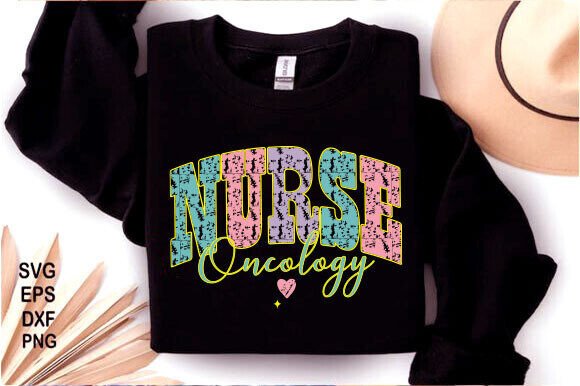
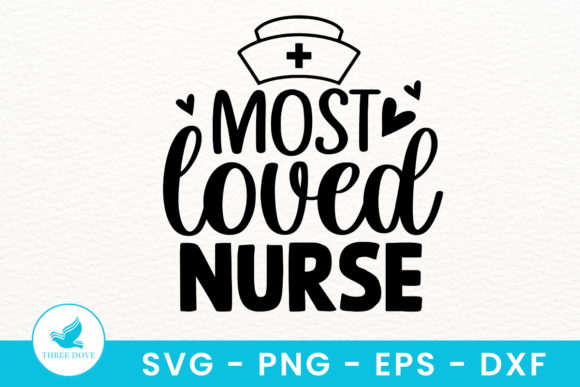
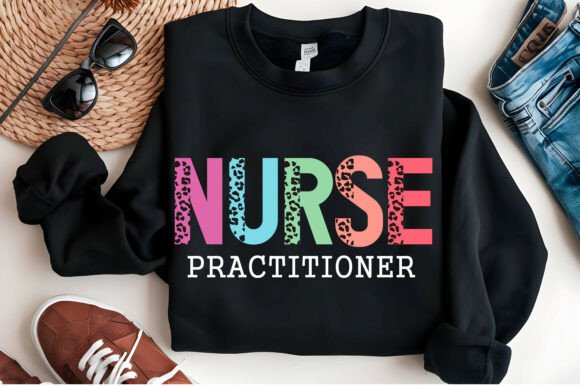
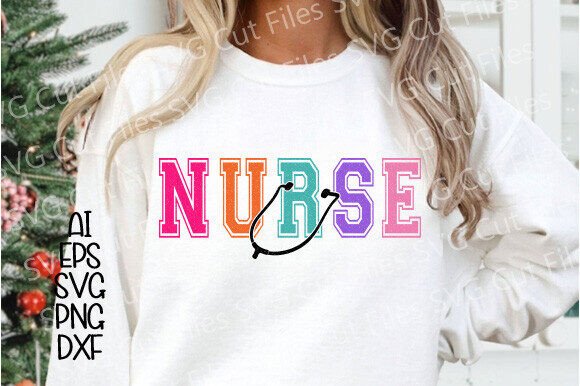
As a designer who reviews embroidery files for real project use, I always look past the digital preview. I want to know how a design will perform in the hoop, on the fabric, and in the hands of a customer. Today, I’m considering the Nurse Svg Png Design, a graphic set described as a high-resolution wonder. My evaluation is based purely on how I would put this to work for my clients, my small shop merchandise, and the personalized gifts I create.
The Immediate Mood and Professional Personality
The first impression here is one of crisp, clear professionalism blended with heartfelt appreciation. The theme immediately communicates respect and care. For an embroidery designer, the layout and detail level suggest this isn’t just a clipart graphic; it’s a design meant to be translated into stitches. The visual personality feels both authoritative and kind, which is a perfect balance for projects aimed at medical professionals, families of nurses, or healthcare institutions. This design naturally belongs to projects that require a touch of solemnity without being overly sentimental—think commemorative gifts, workwear recognition, or boutique items for a nurse-owned business.
Where This Design Finds Its Best Embroidery Home
In practical application, I envision this Nurse Svg Png Design excelling on several fronts. For custom apparel, a well-embroidered sweatshirt or t-shirt for a nurse graduating or retiring would carry significant weight. The clarity of the design would ensure the emblem stands out. On a tote bag or apron, it would become a durable, daily-use item of pride. For baby clothes or nursery decor aimed at a nurse’s new family, the design could be softened with thread color choices to make a beautiful, personalized gift.
As an embroidered patch, it would hold immense value, easily applied to caps, jackets, or bags. For small business merchandise, such as items sold in an Etsy shop focusing on healthcare heroes, this design would provide a consistent, recognizable brand asset. In a craft fair setting, a pillow cover or tea towel featuring this embroidery would likely attract attention from buyers looking for meaningful, handmade products. The design’s inherent visual appeal directly boosts the perceived product value and fosters customer trust through its clean, professional presentation.
Navigating the Practicalities of the Stitching Process
Moving from vision to the machine, a few considerations come to mind. The described high-resolution and 300 dpi foundation is promising for stitching clarity. However, the true test is in the embroidery file itself. Before running any project, I would always test the design on scrap fabric first. This is crucial to check stitch density, especially in any potential fill stitch areas, and to inspect small details like lettering or intricate corners.
For successful application, proper stabilizer choice is non-negotiable, particularly on stretchy fabric like t-shirts or on textured fabrics like some sweaters. Thread color contrast needs careful planning. On dark fabric, I’d likely test a few lighter thread combinations to ensure the design pops without requiring overly dense stitching that could stiffen the garment. On light fabrics, the opposite applies.
Scenarios That Require Extra Care and Planning
Some projects demand more forethought. Embroidering this onto a cap or any curved surface would necessitate checking the design’s adaptability to a smaller hoop size and its performance on the fabric’s slope. If the design includes very tiny lettering, I’d consider simplifying it or ensuring my machine can handle the fine satin stitch or running stitch required.
Using it on items destined for frequent washing, like kitchen towels or baby blankets, means selecting durable threads and potentially adjusting stitch density for longevity. For commercial embroidery projects where multiple units are produced, consistency across batches is key, so a stable, well-digitized file is paramount.
Impact on Business and Customer Engagement
From a business owner’s perspective, using a design like this effectively can elevate your whole offering. The handmade presentation of an embroidered item featuring a clean, recognizable graphic enhances brand consistency for a crafter or Etsy seller specializing in nurse-themed products. Its giftability is high—it feels personal and considered, whether for a holiday gift, a wedding gift for a nurse couple, or a thank-you present.
For digital product sellers, this graphic set serves as a solid design asset for creating printable mockups or digital embroidery file previews, helping buyers visualize the finished product. When a customer sees this design neatly stitched onto a product, it increases buyer engagement by communicating quality and attention to detail.
A Real-Life Embroidery Scenario: The Custom Tote Bag
Let’s walk through a real case. I’m preparing a custom embroidered tote bag for a nurse who just completed a challenging year. I want the design to be a centerpiece, not just an accent. After selecting a sturdy canvas bag, my first step is to check the provided details—the file formats and any licensing notes—to confirm I can use this for a finished product I intend to sell. I then run my scrap test on similar fabric.
I’ll experiment with thread colors: perhaps a classic navy blue for the main elements and a contrasting silver for highlights. I check how the design looks in a simple black and white mockup to understand its form without color. I confirm my hoop can accommodate the size I want on the tote’s panel. Once stitched, I consider how customers might react: the design’s professionalism would make the bag suitable for both personal use and as a work carry-all, increasing its utility and perceived value. The final product feels substantial, a craft business item with real meaning.
Final Designer Notes Before You Hoop It
My final thoughts are pure pragmatism. This Nurse Svg Png Design, from its description, seems built for utility. However, the leap from graphic to stitches is always the critical step. Before committing to any project, especially for commercial projects or selling the finished items, confirm the licensing terms explicitly. Does it cover personal and commercial use? This is essential.
Always compare how the design works on light and dark fabric backgrounds by running tests. Use the appropriate stabilizer for your chosen fabric—don’t skip this. If the design is complex, consider whether an applique design approach might be more efficient for certain elements. And lastly, trust your eye. If the embroidered result on your test scrap looks crisp, clean, and emotionally resonant, then this design is ready for your next embroidery project, ready to become a product that truly honors its subject.