A Designer's Review of the Day to Catch Babies SVG
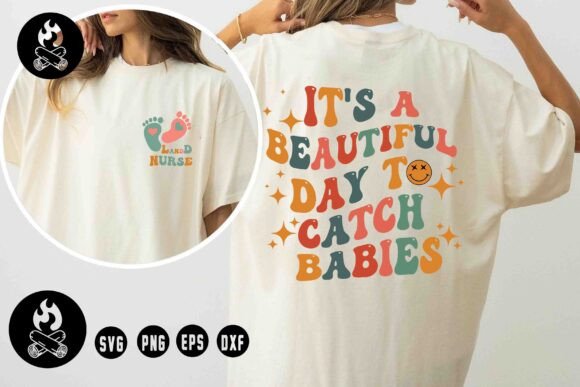
When you’re looking for embroidery designs to use in real projects—whether for a client gift or your own shop inventory—the first impression is everything. This “Day to Catch Babies” design immediately hits a warm, joyful note. The retro-style lettering has a friendly, almost celebratory curve that feels both professional and playful. It’s not overly clinical; it’s human. That’s a key mood for a design aimed at labor and delivery nurses, midwives, or anyone in that world. They’re not just medical professionals; they’re people who experience profound moments. This design captures that spirit perfectly.
The Natural Fit for Real-World Projects
My first thought when evaluating a graphic like this is: where does it belong? This isn’t just a t-shirt graphic. The sentiment and style make it a versatile candidate for a range of handmade products. I recently considered it for a custom embroidered tote bag meant as a holiday gift for a retiring midwife. The design’s layout, with its central, bold statement, is ideal for a medium-sized area like a tote panel. It would also shine on a cozy sweatshirt for an OB nurse, a decorative pillow cover for a nursery waiting area, or even a simple kitchen towel for a birth-center staff room. The “retro” feel gives it a timeless quality that works on both contemporary and more classic apparel.
Visual Appeal and Stitching Considerations
In embroidery, the devil is in the details. This design’s charm lies in its lettering style. The curves and potential decorative accents (if the file includes them) need to be considered carefully. On a practical level, before hooping up a client’s premium sweatshirt, I’d always test this on scrap fabric first. The goal is to check stitch density, especially in any filled areas or thicker letter parts. Too dense on a thin fabric like a standard t-shirt could cause puckering. On a sturdy tote bag or denim apron, it would be fine.
Thread color contrast is another critical thought. This design, with its likely solid, bold lettering, demands good contrast against the background fabric. On a light-colored garment, a classic navy or forest green thread would look professional. On a dark fabric, a bright, cheerful white or pastel thread would make it pop. Always run a black and white mockup in your software to check the clarity of the shapes without color distracting you.
Where This Design Should Be Used Carefully
Not every project is a perfect match. The scale of this design is important. If you try to shrink it down for a small cap or a baby item’s tiny corner, those lovely retro curves and any small details might get lost or become a stitching nightmare, with tiny lettering closing up. Similarly, highly textured fabrics like some blankets or terry cloth could obscure the design’s clean lines. For curved surfaces like caps, you’d need to ensure the design file is adapted or hooped correctly to prevent distortion.
For products destined for frequent washing—think nurse’s scrubs or everyday kitchen towels—using a robust stabilizer and quality thread is non-negotiable to maintain the design’s integrity and that handmade presentation you’re proud of. A poorly stitched design on a gift can affect customer trust, even if it’s a one-off. For a small business owner, consistency is brand.
Turning a Digital File into a Valued Product
This is where the magic happens for crafters and Etsy sellers. A “Day to Catch Babies” embroidery file isn’t just a digital asset; it’s the blueprint for a product with real emotional weight. Stitched onto a high-quality organic cotton baby blanket as a gift for a new pediatric nurse, it becomes a cherished keepsake. As an embroidered patch on a backpack, it’s a badge of pride. The design’s inherent warmth directly boosts its giftability and buyer engagement. People connect with the message.
For commercial embroidery projects, like a batch of tote bags for a birthing center’s fundraiser, this design offers clear, recognizable professionalism. It’s specific enough to resonate deeply with the target audience while being fun enough to attract broader appreciation. That’s a valuable balance for any creative entrepreneur selling finished products.
Practical Notes for the Embroidery Designer
Before you run this machine embroidery design, make your checklist. First, confirm the hoop size you’ll need. Does the design’s dimensions fit your project’s canvas? Inspect the small details in your editing software—are there any overly intricate corners that might need a slight adjustment for your machine or preferred stitch type? Always, always use the proper stabilizer for your chosen fabric; it’s the foundation of a clean finish.
Think about the end-use. Are you making a one-off personalized gift, or are you planning to sell embroidered caps with this design in your small shop? This dictates your next crucial step: confirming the licensing. You must check the terms of the digital embroidery file before selling finished items or using it in commercial projects. Don’t assume; verify.
Finally, consider the product lineup. This design naturally complements other birth-themed items in a boutique. Imagine it on an apron for a doula, a pillow in a nursery, or a simple tea towel in a gift basket. Its versatility is a strength, but always match the design to the product’s function and fabric. A confident, observant maker sees not just the graphic, but the beautiful, stitched reality it can become.