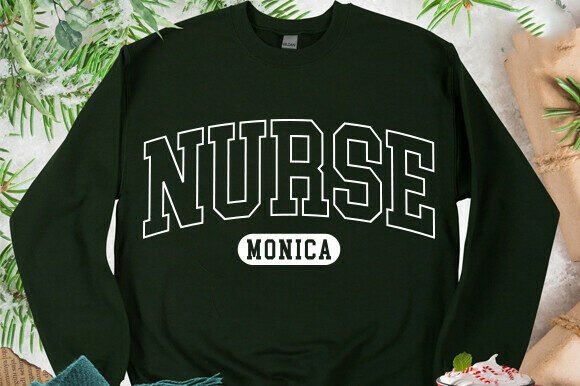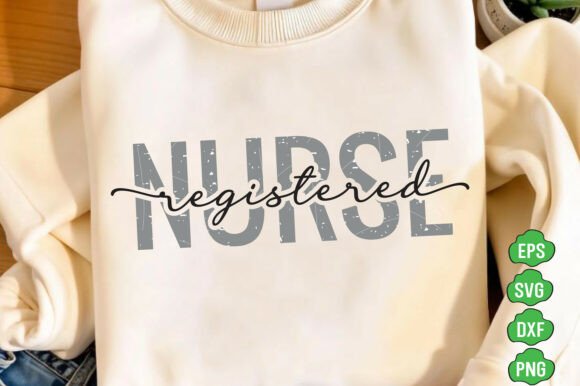
A Practical Review of a Registered Nurse Embroidery Design
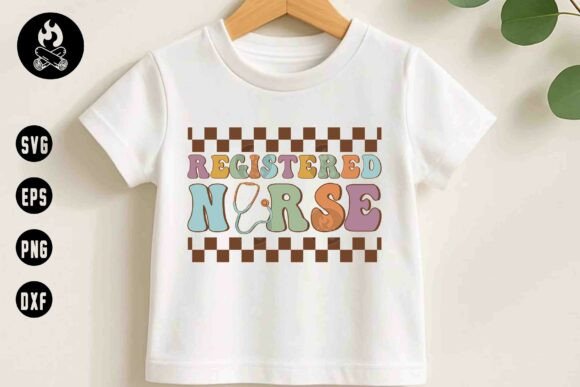
When you download a design like this Registered Nurse SVG set, you’re not just getting files; you’re getting a potential project. I approach every new embroidery file with the eye of someone who needs it to work on real fabric, for real clients or my own small shop. Let’s walk through what this design feels like and where it might shine—or need a bit of careful handling.
First Impression: Clean, Recognizable, and Heartfelt
The mood here is immediately professional yet warmly appreciative. The classic nurse imagery—likely a cap, perhaps a heart element given the description—creates a sense of recognition and respect. It’s not overly fussy or detailed, which is a good sign for embroidery. The layout feels balanced, a single focal point that would translate well into a stitched motif. This isn't a chaotic, multi-element graphic; it has a clear visual personality that belongs on gifts, commemorative items, or apparel meant to celebrate the nursing profession.
The Natural Project Fit
My mind goes straight to a custom embroidered tote bag or a cozy sweatshirt. Imagine a nurse carrying a personalized tote to work, or a family gifting an embroidered hoodie to their nurse graduate. It also feels perfect for a crisp apron, a decorative pillow cover for a nurse’s lounge, or a high-quality patch that could be applied to a jacket or bag. The theme lends itself to heartfelt, personalized products—the kind that sell well in craft business settings or make for memorable handmade gifts.
Performance in Real Embroidery Situations
How will this design actually behave once it’s loaded into the machine? The provided formats—SVG, DXF, PNG—are versatile. The vector files mean it can scale cleanly for different hoop sizes, which is crucial. For a boutique product like an embroidered kitchen towel or a baby blanket for a nurse’s newborn, you can adjust size without losing integrity. On a dense fabric like a sweatshirt, the design’s likely simpler shapes will help with clean satin or fill stitches. On a tote bag’s canvas, it should stand out with good stitch density.
For commercial embroidery projects or Etsy listings where consistency is key, this design’s clear silhouette promises repeatable results. In printable mockups or digital product previews for your shop, the high-resolution PNG with its transparent background will showcase the final product beautifully, building customer trust in your craft.
Where to Exercise a Bit of Caution
Any design with potential small details, like lettering or intricate corners inside a nurse’s cap, needs thoughtful application. On curved surfaces like caps, the scale must be checked—too large, and it distorts; too small, and details vanish. On thin or stretchy fabrics, even a seemingly simple design requires proper stabilizer to prevent puckering. If the design has dense stitch areas, testing on dark fabric is essential to ensure thread color contrast pops. For products needing frequent washing, like apparel, a robust stitch build is important, so a test run on scrap fabric is non-negotiable.
Impact on Your Project’s Appeal and Value
Using a well-executed design like this Registered Nurse SVG PNG elevates your finished product. The stitching clarity translates directly to visual appeal, making a handmade presentation feel professional. For a small business owner, that builds brand consistency—your items look reliably well-made. The theme itself boosts giftability and recognition; a customer knows instantly the sentiment. This engagement is what turns a simple embroidered patch into a valued keepsake or a bestselling item in your craft fair lineup.
Practical Designer Notes Before You Hoop Up
Here’s my routine before I commit a design to a client’s project or my own merchandise:
- Always, always test the embroidery file on a scrap of the actual target fabric first. This reveals everything about stitch density and thread behavior.
- Check the design in both black and white mockups. How does it look on light versus dark backgrounds? Does it need outline stitches for definition on dark fabric?
- Inspect the small details in your software. Are there tiny corners that might need a running stitch adjustment?
- Confirm your hoop size can accommodate the design at the scale you want. Scaling a vector file is easy, but always verify the final size in your machine’s interface.
- Use proper stabilizer for the fabric type. A sturdy tote bag and a delicate baby garment demand different approaches.
- Most critically, confirm the licensing terms for this design. The description doesn’t specify personal vs. commercial use. Before selling finished items or using it as a commercial embroidery asset, you must verify you have the right to do so. This is a fundamental step for any digital product seller or creative entrepreneur.
A Real-Life Scenario: The Embroidered Celebration Tote
Let’s picture a specific case. A client requests a custom tote bag as a retirement gift for a long-time nurse. You choose this Registered Nurse design. You scale it appropriately for the bag’s front panel. You select a rich navy thread for a classic look on a light canvas fabric. After your scrap test confirms clean edges, you hoop the bag, use a cutaway stabilizer for durability, and stitch it out. The result is a clean, proud emblem. The recipient’s reaction is immediate recognition and appreciation—the design did its job perfectly. It felt professional, not cartoonish, matching the gravity of the occasion. That’s the real test of a graphics file for T-Shirt Designs and beyond: it supports a meaningful, well-crafted final product.
In the end, designs like this are tools. This Registered Nurse SVG set appears to be a solid, versatile one. Its strength is in its clear theme and format variety, making it adaptable for machine embroidery across personalized gifts and small shop merchandise. Your skill and these practical considerations—testing, scaling, licensing—will transform those files into something truly valuable.