A Practical Review of the Nurse Life Pink Medical SVG
The First Impression: Cheerful, Clear, and Ready to Stitch
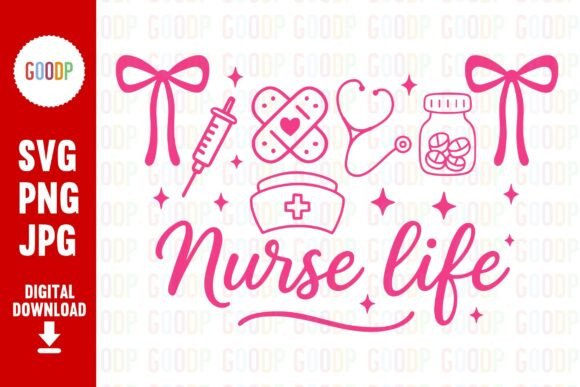
When I opened the Nurse Life Pink Medical SVG design, my first thought was that it had a mood of cheerful appreciation. It’s a cute, straightforward design with a clear theme. The layout feels balanced, with enough detail to be interesting but not overly complex, which is a crucial starting point for an embroidery file. The visual personality is friendly and recognizable—it doesn’t try to be overly trendy or abstract. This tells me it’s a design meant to connect directly with an audience who understands and values the sentiment. For embroidery, this translates into a project that feels warm and giftable right from the hoop.
Where This Design Shines in Real Projects
Thinking through my typical workflow, this design naturally belongs on items meant as a token of gratitude or personal pride. I immediately pictured it on a custom embroidered tote bag for a nursing student or a cozy sweatshirt for a seasoned nurse. The scale and detail level would work beautifully on a baby item, like a onesie for a nurse’s new baby, or as a sweet patch on a backpack. It’s also a strong candidate for kitchen towels, apron pockets, or pillow covers in a home that wants to celebrate a healthcare professional. For small business merchandise—say, in a boutique that sells to hospital staff—this design on caps or simple t-shirts would have clear appeal. As an Etsy seller creating personalized gifts, this offers a ready-made, professional-looking asset for holiday gifts or wedding gifts for medical couples. The clean lines mean it would also perform well in printable mockups for digital product sellers advertising their embroidery services.
Considering Commercial and Handmade Appeal
The clarity of the theme directly boosts the finished product’s value and customer trust. When a handmade item carries a design that’s instantly recognizable and emotionally resonant, like this one, it enhances the perception of thoughtfulness. For a craft business, using such a design consistently across a line of products—say, tote bags, tea towels, and baby blankets—can strengthen brand consistency around a niche. The giftability is high, and the professional execution of the design (assuming the embroidery file is well-digitized) lends a polished look to even a hobbyist’s project.
Practical Embroidery Performance and Pitfalls
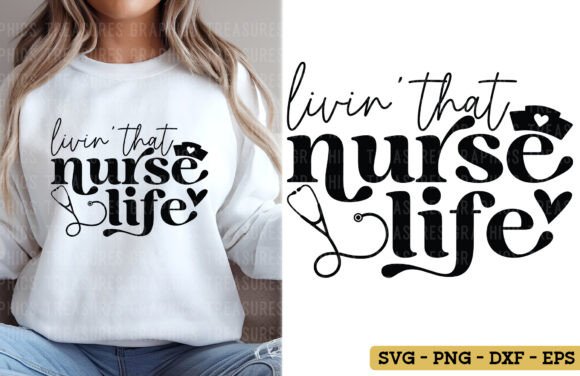
Now, for the real-life embroidery situations. On standard custom apparel like cotton t-shirts or sweatshirts, this should stitch out cleanly, provided the underlying embroidery file has good stitch density management. The potential challenge areas are often in the details. On textured fabrics like some blanket materials, or on thin, stretchy fabrics, the smaller elements might need careful stabilizer choice to prevent puckering. If the design includes tiny lettering within the “Nurse Life” text, that’s an area I’d scrutinize closely before running it on a client’s garment.
Dark fabric backgrounds require a thoughtful thread color contrast check—the pink palette might need adjustment to remain vibrant. On curved surfaces like caps, the design’s overall shape and any decorative accents would need to be tested for distortion. And for products that need frequent washing, like baby clothes or kitchen towels, I’d be extra mindful of the stitch density; overly dense areas can feel stiff and wear differently.
Where to Use With Extra Care
I would approach small hoop sizes with caution. If you’re trying to fit this onto a very small area, the detail level might become muddled. Layered garments with seams or pockets underneath the embroidery area also demand a test run. The key is to never assume a design will perform perfectly across all materials; this Nurse Life Pink Medical SVG is a graphic with clear intent, but its success on the final product depends entirely on the embroidery execution.
Essential Designer Notes Before You Hoop It
My standard practice for any new design, including this one, is to always test on scrap fabric first. Use the same fabric and stabilizer you plan for the final project. Check thread color contrast against your actual background material—don’t just trust the digital preview. Review the stitch density in the embroidery file itself if you have access to the editing software; look for any overly dense fill stitch areas that could challenge your machine or fabric.
Confirm the hoop size needed matches your project’s available space. Inspect the small details by running a test at your intended size. It’s also wise to test the design in black and white mockups to see how it holds up without color, and compare how it looks on both light and dark fabric backgrounds digitally before stitching. Use proper stabilizer; this is non-negotiable for professional results.
Finally, a crucial note for craft businesses and Etsy sellers: check whether the design works for both personal and commercial projects. The product description notes it comes in SVG, PNG, and JPG formats, which is excellent for versatility, but you must confirm the licensing terms before selling finished items or commercial embroidery using this asset. This step protects your business and respects the creator.
The Final Stitch: A Design Built for Connection
In my evaluation, the Nurse Life Pink Medical SVG is a design that succeeds by being purposefully simple and emotionally clear. It’s not a overly complex machine embroidery design that will challenge advanced digitizing; it’s a graphic meant to be translated cleanly into stitch. For embroidery designers and makers, it offers a reliable starting point for projects aimed at appreciation and personalization. Its real value emerges when stitched onto a tangible item—a tote bag carried by a tired but proud nurse, a baby item celebrating a parent’s profession, a holiday gift that says “we see your work.” When you choose a design like this, you’re choosing to make that connection visible, and with practical testing and careful execution, the finished product will carry that sentiment perfectly.