A Veterinary Nurse Design You Can Trust
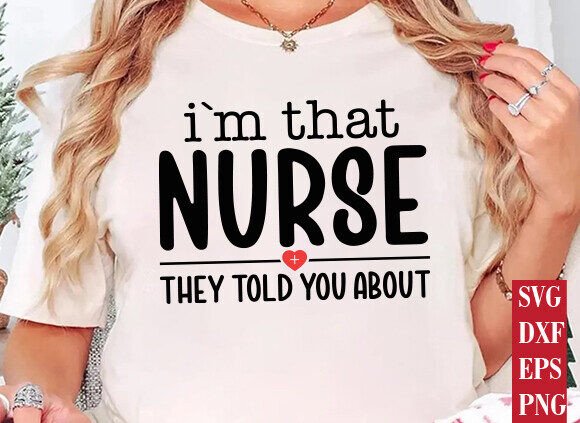
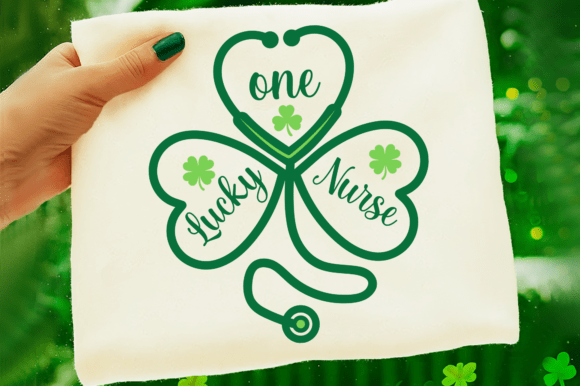
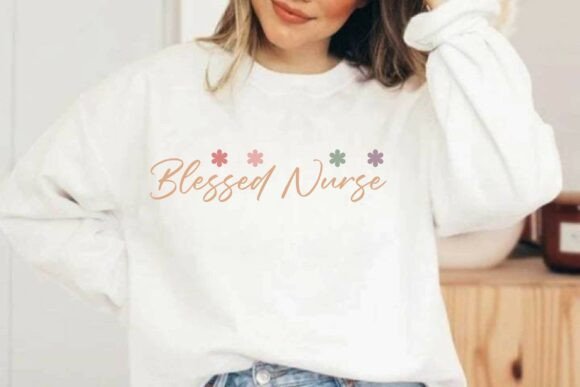
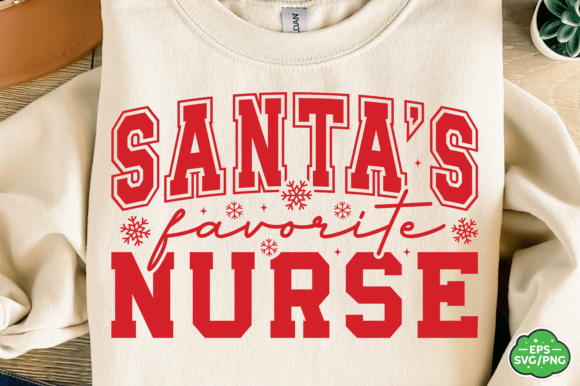
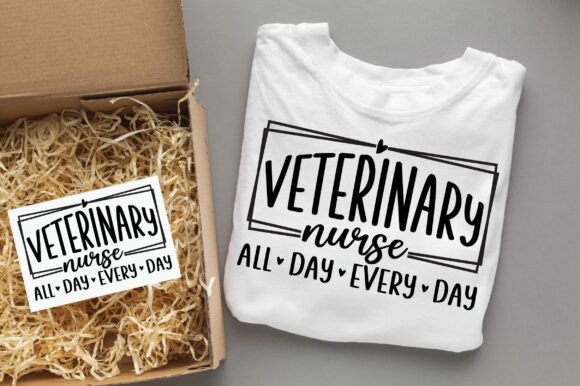
When a new SVG graphic lands in my library, the first thing I do is imagine it as thread on fabric. Not on a screen, but as a real, stitched piece in someone’s hands. The Veterinary Nurse Svg T-shirt Design immediately struck me as one of those graphics with a clear purpose and a warm, professional heart. It’s not just a cute graphic; it feels like an emblem.
The First Impression: Where This Design Belongs
This design carries a specific, appreciative mood. It’s a recognition piece. The theme is direct and respectful, which means it naturally belongs to projects meant as gifts, tokens of thanks, or wearable pride. I picture it embroidered on a soft sweatshirt for a vet nurse graduating from school, or as a crisp patch on a tote bag they use daily. The layout feels balanced, not overly cluttered, which is a gift for embroidery where too many tiny details can vanish under stitches.
The visual personality is confident and clean. This isn’t a whimsical cartoon; it has a degree of soberness that elevates it. For embroidery, that translates well. It will look considered and professional on a finished product, which builds immediate customer trust. A crafter or small shop owner using this isn’t just making a t-shirt; they’re creating a piece of recognition.
Real-Life Embroidery: Picture It on a Custom Tote
Let’s walk through a real scenario. Say I’m preparing a custom embroidered tote bag as a holiday gift for a veterinary clinic team. I’ve chosen a sturdy, natural canvas fabric. Hooping it up, I’m thinking about how this design will perform. The likely satin stitches for the lettering and fill stitches for any symbols need to be crisp. On a textured fabric like canvas, stitch clarity is paramount.
This graphic, being described as high-resolution, suggests the vector lines are clean, which is excellent for translating into smooth embroidery paths. I’d expect the design to stitch out with good definition, making the tote bag look like a boutique, handmade product rather than a generic print. For an Etsy seller or a small business offering personalized gifts, that handmade presentation is everything. It increases the product’s perceived value and buyer engagement.
Where It Would Excel Across Your Product Line
Beyond tote bags, this design has a wide natural fit for real embroidery projects. Consider these:
- Custom Apparel: It would be a standout on the left chest of a polo shirt or a sweatshirt, perfect for clinic merchandise.
- Baby & Nursery Items: For a vet nurse’s own new baby, embroidered on a blanket or a simple bib, it becomes a deeply personal gift.
- Home Goods: A neat, small version on a pillow cover or a kitchen towel for their home.
- Embroidered Patches: This could make a fantastic, professional-grade patch for a bag or jacket, appealing to craft fair customers.
- Digital Product Previews: For those selling the design itself, it lends itself to clean printable mockups for listings.
In each case, the design’s clear theme supports brand consistency if you’re a seller in the pet or medical appreciation niche.
Careful Considerations for Stitching Success
While the design feels robust, there are always embroidery situations that demand a thoughtful approach. Here’s where I’d advise caution.
If you’re aiming for very small hoop sizes—think a tiny emblem on a cap’s curved surface—you must check how the detail level condenses. Tiny lettering might require simplifying or ensuring your machine can handle the density. On stretchy fabrics like t-shirts, using proper stabilizer is non-optional to prevent puckering.
For dark fabric backgrounds, thread color contrast is key. A test on scrap fabric first is the best practice here. You’ll want to see if the intended color palette pops or if you need to adjust for visual appeal. Similarly, dense stitch areas, if present, need to be reviewed so they don’t make the fabric stiff or uncomfortable, especially on wearable items like caps.
Products that need frequent washing, like aprons or kitchen towels, benefit from a stable, well-digitized design. Without knowing the exact stitch count or density from the description, my general note is to run a test stitchout on a similar fabric to inspect durability before committing to a final, commercial embroidery project.
Practical Notes from the Hoop
My routine as an embroidery designer before using any new file includes these steps, and I recommend them for this design:
- Always stitch a test on scrap fabric of your final material.
- Check thread color contrast against both light and dark fabric backgrounds; sometimes a black and white mockup view helps judge value contrast.
- Review the stitch density in your software if possible; too dense can cause issues, too sparse can look unfinished.
- Confirm the physical hoop size you’ll need. Does it fit your machine’s capabilities for the project?
- Inspect small details and corners in the stitched sample. Are they clean?
- Crucially, confirm the licensing terms before selling finished items or digital products. The description mentions an “exclusive collection,” so verify commercial use rights.
The Final Stitch: Impact on Your Craft Business
Using the Veterinary Nurse Svg T-shirt Design effectively comes down to understanding its audience. This isn’t a mass-market graphic; it’s a specialized, meaningful one. For creative entrepreneurs and makers, that’s a strength. It allows you to cater to a niche with high appreciation. The professionalism of the embroidered result can enhance your shop’s reputation for quality.
For giftability, it scores high. A custom embroidered pillow cover or tea towel with this design feels thoughtful and enduring. In a small shop’s merchandise lineup, it adds a category of recognition products that can attract a dedicated clientele—vet clinics, animal hospitals, and proud pet professionals.
In the end, an embroidery file is a tool. This one feels like a reliable, well-made tool for a specific, rewarding kind of work. It has the potential to make a real impact, as the description says, but that impact is realized through your careful skill in hooping, stitching, and finishing. Pair this design with your expertise, and you’ll create finished products that truly honor the craft and the customer.