Evaluating an SVG Design for Real Embroidery Projects
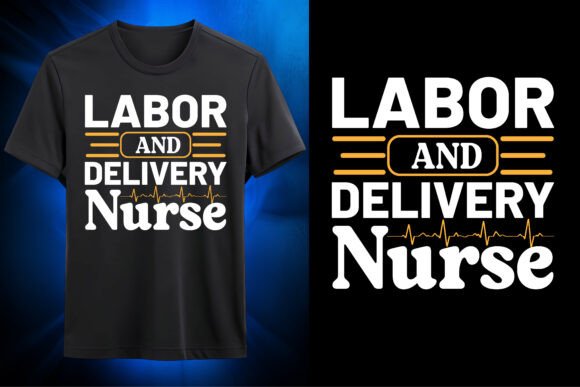
When I look at a design like Labor and Delivery Nurse SVG T-Shirt, my first question is always: what will this look like when it’s actually stitched out? This isn’t just a graphic on a screen; it’s a blueprint for a physical, tactile product. I approach it from the perspective of an embroidery designer who needs to transform this digital file into a real-life project, whether for a client’s gift, my own small shop merchandise, or a craft fair item.
The Immediate Mood and Design Personality
This design speaks directly to a specific profession with warmth and recognition. The theme is clear and celebratory, meant to honor the critical work of labor and delivery nurses. From a layout perspective, it feels designed for a central, focal placement. It’s not overly busy, which is a good sign for embroidery—complex graphics with tiny details can become muddled in thread. The personality is professional yet appreciative, creating a mood that is perfect for a personalized, meaningful gift or a piece of pride apparel.
Where This Design Naturally Belongs in Embroidery
In my practice, I immediately picture this on items that carry emotional weight. A custom embroidered sweatshirt for a nurse finishing a tough shift. A tote bag for her work essentials. A cozy pillow cover for a break room. It’s also a strong candidate for baby-related items—think a beautifully embroidered baby blanket or a decorative pillow as a gift from a grateful family. For small business owners and Etsy sellers, this design translates well into boutique products like premium apron, a high-quality tea towel, or a well-made cap. The subject matter lends itself to products that feel special and giftable.
Visual Appeal and Stitching Considerations
The real test comes when the embroidery file is loaded into the machine. For a design like this, clarity is paramount. The text elements need to stitch cleanly; dense satin stitch lettering on small fonts can pucker or blur. On a curved surface like a cap, the design’s layout must be tested to ensure it sits well without distortion. On dark fabric, thread color contrast becomes critical—you need a plan for possibly using a lighter underlay or choosing bold, contrasting thread colors to maintain readability.
Stitch density is a silent factor. While the provided description mentions high quality, as a professional, I always advise testing the design on scrap fabric first, especially if the intended final product is a thin t-shirt or a stretchy jersey material. High stitch counts on lightweight fabrics without proper stabilizer can lead to fabric pull and a less professional finish. The design’s value and customer trust hinge on that finished product looking crisp and durable.
Practical Application Scenarios: A Real-Life Example
Let’s walk through a typical scenario. I have a client who wants to create a set of custom embroidered tote bags for a team of nurses at a hospital. They want a handmade, premium feel. I choose a sturdy canvas bag. Before I even hoop the first one, I stitch out the Labor and Delivery Nurse SVG T-Shirt design on a similar weight scrap fabric. I check the small details, the fill stitch areas if present, and how the edges of any shapes behave. I look at it on both a black and white mockup digitally to plan my thread palette. For the tote, which will see use, I consider a slightly reduced density if possible to ensure the fabric remains flexible and the stitches hold up to washing. The result needs to look clean, professional, and worthy of the recognition it aims to provide.
Where to Exercise Extra Care
This design should be used carefully on certain substrates. Textured fabrics like some sweaters can obscure finer details. Small hoop sizes might force scaling down the design, which could compromise the integrity of any lettering. For products that need frequent washing, like kitchen towels or everyday apparel, ensuring the stabilizer is properly chosen and removed (if applicable) is key to longevity. Also, on layered garments like hoodies, the loft of the fabric can affect how flat and sharp the embroidery sits. Always consider the end-use.
Impact on Your Craft Business or Project
Using a well-executed design like this affects more than just the stitchout. It boosts the perceived value of your handmade product. For a creative entrepreneur, it supports brand consistency if you specialize in gratitude or profession-themed items. It enhances giftability because the design is inherently meaningful. Recognition is instant, which engages buyers emotionally. However, professionalism comes from your execution. The digital design asset is a starting point; your skill in pairing it with the right fabric, thread, stabilizer, and hoop size completes the story.
Essential Designer Notes Before You Stitch
My final practical advice for anyone using this Labor and Delivery Nurse SVG T-Shirt design for an embroidery project, whether personal or commercial:
- Always test on scrap fabric that mimics your final product’s weight and texture.
- Review stitch density by observing the test piece; look for puckering.
- Confirm your hoop size can accommodate the design at your desired size without needing excessive scaling.
- Inspect small details, like the corners of letters or icons, for potential stitch build-up.
- Plan your thread colors for both light and dark fabric backgrounds; contrast is everything.
- Use a proper stabilizer for your specific fabric type—this is non-negotiable for quality.
- Check the licensing terms associated with the design file. The description mentions EPS and JPEG, but confirm whether the license permits commercial use of the finished embroidered products you plan to sell.
- Remember, this is a graphics file. Your expertise in translating it into a beautiful embroidered patch, sweatshirt embroidery, or custom apparel item is what brings it to life.
Approaching a design with this mindset turns a digital product into a successful, real-world embroidery project. It moves from a simple T-Shirt Designs category on a website to a tangible item that carries appreciation, pride, and the quality of your craft. That’s the real measure of a design’s worth.