Putting a Proud Nurse Design Through Its Paces
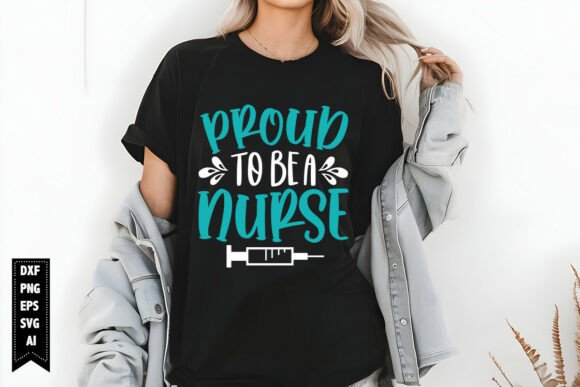
I’ve opened countless embroidery files over the years, from intricate illustrations to simple text-based graphics. When evaluating a new design for real project use, my first question is always practical: where does this belong? Looking at the Proud to Be a Nurse SVG design, my immediate impression is one of clean, professional pride. It’s not overly sentimental or cartoonish; it carries a dignified and celebratory mood. The shape and layout suggest a design that’s meant to be seen—a statement of identity rather than a subtle accent. This visual personality tells me it’s naturally suited for projects where recognition and profession are the central themes.
The Natural Habitat for This Design
In my workshop, I picture this design stitched onto a custom tote bag for a nurse heading back to school, or embroidered on the sleeve of a cozy sweatshirt for a long-time healthcare worker. It feels right for a commemorative pillow cover given as a graduation gift, or even a well-made patch for a work bag. The theme is so direct and universally understood that it slots perfectly into the world of personalized gifts and boutique merchandise. As an Etsy seller or small shop owner, you can immediately envision this on a product listing—it communicates value and heartfelt appreciation without needing explanation.
For apparel decorators, the classic t-shirt is an obvious canvas, but I’d also consider it for a crisp apron or a sturdy kitchen towel in a nurse’s home. The design’s clarity means it would hold up well on baby clothes or nursery decor items meant for a nurse’s new little one, becoming a cherished keepsake. In every real-life scenario, from craft fair products to commercial embroidery for a small clinic’s staff gifts, this design serves a clear purpose: to honor the profession visibly and with quality.
Where the Thread Meets the Fabric: Practical Performance
Moving from imagination to the machine, the performance of an embroidery file like this hinges on its detail level and layout. The included file formats—SVG, DXF, AI, PNG, EPS—indicate good versatility for different software and machines, which is a strong start for any digital embroidery file. In real stitching, the key considerations will be stitch density and small details. Areas with potential dense fills or tiny lettering in the "Proud to Be a Nurse" text need attention.
On textured fabrics like a fleece sweatshirt, a crisp satin stitch for the main elements would pop beautifully, but a proper stabilizer is non-negotiable. For dark fabric backgrounds, thread color contrast is paramount—you’d likely opt for bright, clean whites or classic blues to maintain that professional feel. On curved surfaces like caps, the design’s layout would need to be scaled and positioned carefully to avoid distortion on the crown. These are not flaws of the design itself, but simply the realities of any embroidery project that a seasoned designer thinks through.
A Closer Look at Visual Impact and Customer Trust
How a design like this stitches out directly affects visual appeal and, ultimately, customer trust. A clean, unbroken stitch line in the core elements translates to stitching clarity, which makes the finished product look professional and durable. This isn’t just about aesthetics; it’s about perceived value. A handmade tote bag or custom apparel item with a sharp, well-executed embroidery design feels like a premium product. It boosts giftability and strengthens brand consistency for a small business owner selling a line of nurse-themed merchandise.
For creative entrepreneurs and digital product sellers, this also matters in printable mockups and digital product previews. A design that logically translates to a clean embroidered result will look more convincing in your listings, driving buyer engagement. The Proud to Be a Nurse design, by its nature, has that inherent recognition factor—people know what it means immediately—so pairing that with excellent execution in your finished product is a powerful combination.
Notes from the Hoop: A Designer’s Checklist
Before I’d ever run this design for a client project or my own shop merchandise, here’s the practical checklist I’d follow. First, and always, test it on scrap fabric. Use the same material you intend for the final product—a canvas tote bag cotton, a poly-blend sweatshirt, or a baby bib terry cloth. This reveals everything: how small details like serifs in the lettering hold up, whether stitch density is appropriate for the fabric weight, and if the overall size works with your intended hoop size.
Check thread color contrast by running a version on both light and dark background scraps. Does the design maintain its clarity and mood on a black tee versus a white apron? Inspect any potentially dense areas; you might adjust fill stitch patterns if needed for a lighter, faster stitch-out. Crucially, confirm the licensing terms for the digital file before selling finished items or commercial embroidery projects. The product description states it’s a digital download, but the specifics for commercial use should be verified by the buyer.
For projects that will need frequent washing, like baby items or kitchen towels, evaluate the design’s robustness. A simpler, less densely stitched version might be more durable, so consider scaling accordingly. And for those textured or stretchy fabrics, your stabilizer choice becomes the star of the show—don’t skimp here. These steps aren’t just precautionary; they’re the habits that separate a hobbyist trial from a reliable, professional embroidery asset.
The Final Stitch: Where This Design Earns Its Keep
After this kind of evaluation, the Proud to Be a Nurse SVG design emerges as a strong, purpose-driven graphic. It’s not a fill-in-the-blank novelty; it’s a design with a clear audience and a resonant message. Its best uses are where that message needs to be front and center: on custom apparel for the nurse themselves, on personalized gifts from grateful patients or proud families, and on small shop merchandise that caters to the healthcare community.
It would likely perform beautifully as an embroidered patch, offering versatility. As a machine embroidery design, its success will depend on the careful application of those fundamental principles: testing, stabilizing, and matching it to the right product. For crafters and makers building a business around heartfelt, profession-themed products, this design is a reliable asset. It provides a ready-made concept that, when executed with quality embroidery, results in a finished product that feels both professional and personal—a combination that’s always worth the thread.