Reviewing Muscle Pain Shoulder Back Vector
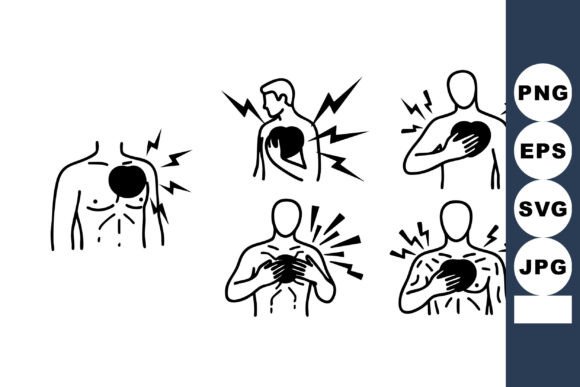
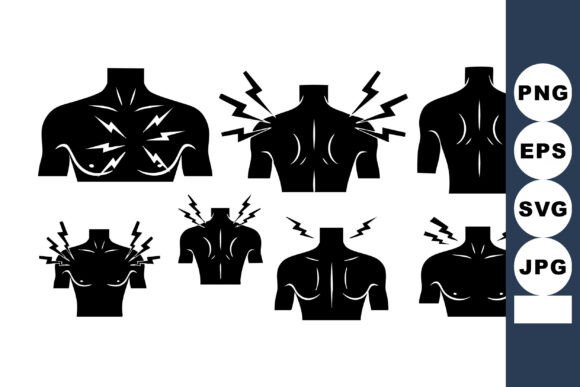
As an experienced designer and embroidery product reviewer, I recently had the opportunity to evaluate the Muscle Pain Shoulder Back Vector for a custom embroidered tote bag project. This vector illustration features six human upper body silhouettes with lightning symbols indicating muscle pain and tension in the back and shoulders, creating a clear and informative mood.
First Impressions and Visual Appeal
The Muscle Pain Shoulder Back Vector immediately conveys a medical and educational theme. The layout is clean and organized, with each silhouette clearly showing the areas of pain. The use of simple lines and shapes makes it visually appealing and easy to understand, which is perfect for a design that needs to communicate a specific message.
Real-Life Embroidery Performance
When considering this design for a custom tote bag, I was impressed by how well it translates into an embroidery file. The simplicity of the design means it can be stitched with minimal thread changes, making it efficient for production. The use of satin stitch for the outlines and fill stitch for the lightning symbols ensures a professional and polished look.
Stitch Clarity and Detail
The Muscle Pain Shoulder Back Vector maintains its clarity even when stitched. The fine details of the lightning symbols and the smooth lines of the silhouettes are well-preserved, which is crucial for a design that aims to be both informative and aesthetically pleasing. The stitch density is appropriate, preventing any issues with puckering or distortion on the fabric.
Practical Considerations for Embroiderers
Before using this design, I recommend testing it on scrap fabric to ensure the thread colors and stitch density work well together. For a tote bag, a medium-weight stabilizer will help maintain the integrity of the design. Additionally, check the hoop size to make sure it fits comfortably, as the design has several elements that need to be spaced correctly.
Where to Use Carefully
While the Muscle Pain Shoulder Back Vector is versatile, there are some areas where it should be used with caution. For example, on small hoop sizes, the details might become too compressed, losing their clarity. On textured or stretchy fabrics, the design may not lay flat, and on dark fabrics, the contrast between the thread and the background might need to be adjusted for visibility.
Curved Surfaces and Layered Garments
For curved surfaces like caps, the design's straight lines and sharp angles might not adapt well, leading to potential distortion. Similarly, on layered garments, the design's thickness could cause bulkiness, so it’s best to test it first. For tiny lettering or dense stitch areas, extra care is needed to ensure the design remains legible and doesn’t become too heavy.
Enhancing Product Value and Customer Trust
Incorporating the Muscle Pain Shoulder Back Vector into custom apparel, such as sweatshirts or t-shirts, can add significant value. The design’s clear and informative nature makes it ideal for products aimed at health and wellness enthusiasts. For Etsy sellers and small shop owners, this design can be a standout feature, enhancing the handmade presentation and professionalism of your products.
Giftability and Recognition
This design is also perfect for holiday gifts, especially for those who appreciate functional and meaningful items. The Muscle Pain Shoulder Back Vector can be used on pillow covers, tea towels, and blankets, adding a personal touch and making the gift more memorable. The design’s unique and informative nature helps in building recognition and trust among customers.
Final Thoughts and Practical Tips
Overall, the Muscle Pain Shoulder Back Vector is a well-crafted and versatile design that can be used in a variety of embroidery projects. Before using it, always test the design on scrap fabric, check the thread color contrast, and review the stitch density. Ensure you have the correct hoop size and stabilizer, and consider the fabric texture and background color. Whether for personal or commercial projects, this design is a valuable addition to your embroidery toolkit.
- Test the design on scrap fabric first.
- Check thread color contrast and stitch density.
- Confirm the hoop size and use proper stabilizer.
- Inspect small details and test in black and white mockups.
- Compare light and dark fabric backgrounds.
- Confirm licensing before selling finished items or digital products.
By following these practical tips, you can ensure that the Muscle Pain Shoulder Back Vector enhances the visual appeal, stitching clarity, and overall value of your embroidery projects.