A Designer's Take on Pediatric & PICU Nurse Embroidery
The First Stitch Impression
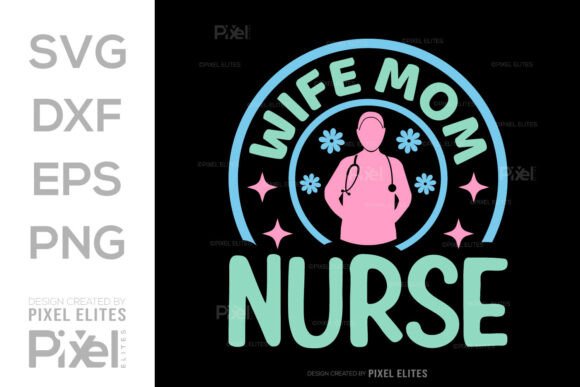
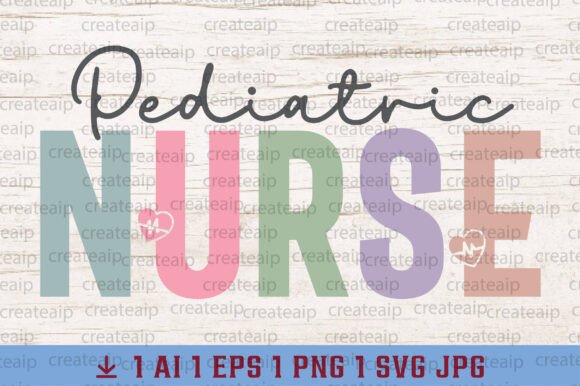
When you encounter a new embroidery file, the first glance tells you everything. Opening this Pediatric Png Nurse Svg, Peds Nurse Picu design, I immediately felt its intended mood: a blend of professional pride and heartfelt care. The theme is clear and focused, celebrating the specialized world of pediatric and intensive care nursing. The layout feels balanced, with visual elements that suggest a badge or emblem of honor. The detail level appears manageable, not overly complex, which is a good sign for translating well into stitches. Its visual personality is friendly yet authoritative, perfect for a gift meant to convey deep respect.
Where This Design Naturally Belongs
This isn't a design you'd slap onto any random product. It has a purpose. My mind went straight to a custom embroidered tote bag for a nurse finishing a grueling PICU rotation. Or perhaps a high-quality sweatshirt, a piece of apparel they can wear with pride outside the hospital. Given the "pediatric" focus, it would also be beautifully touching on a baby blanket for a nurse's own child, or as a decorative pillow in a nursery. For small business owners, this design screams "personalized gift." Imagine a boutique offering a custom embroidered tea towel or apron for a nurse's kitchen—a unique, handmade product that carries significant emotional weight and perceived value.
A Real-Life Scenario: The Holiday Gift Rush
Let’s picture December. A crafter in a busy Etsy shop gets an order: "I need a special gift for my sister, a pediatric nurse." This embroidery file becomes the centerpiece. The shop owner considers a high-end, embroidered patch that can be ironed onto a new leather bag. They think about stitch clarity—will the text "Peds Nurse" be legible at a smaller size? They visualize the finished product on a dark fabric background, perhaps a navy blue sweatshirt, and plan thread colors for maximum contrast. This design, in this scenario, isn't just a graphic; it's the key to creating a gift that generates genuine customer delight and trust.
Performance in Real Embroidery Situations
How will this Pediatric Png Nurse Svg, Peds Nurse Picu actually perform when the needle starts moving? For custom apparel like t-shirts and sweatshirts, the design’s apparent simplicity is a strength. On a tote bag, it would become a durable, everyday statement. As a baby clothes embroidery, its smaller, scaled-down version could be charming on a onesie, provided the fabric texture is stable enough to hold the stitches. For craft fair products or boutique merchandise, this design adds a layer of professionalism and niche recognition—it speaks directly to a specific, appreciative audience.
In commercial embroidery projects, such as producing a batch of caps for a nursing unit, the design's emblem-like feel would promote brand consistency for the team. For digital product sellers offering printable mockups, this file serves as a solid design asset for creating compelling previews. The key to its success across all these applications will be thoughtful execution.
Spots Where You Need Extra Care
Not every project is ideal. This design should be used carefully on very small hoop sizes if the included lettering is tiny—satin stitch on small text can blur. Textured fabrics like thick sweaters might lose detail. On thin or stretchy fabric, like a lightweight t-shirt, stabilizer choice is paramount to prevent puckering. Dark fabric will require a thoughtful thread color palette to maintain visual appeal. Embroidering on curved surfaces like caps demands careful digitizing, which we must assume is done well here, but always test first. Any dense stitch areas should be monitored for thread buildup. And for products destined for frequent washing, like kitchen towels, you must ensure the stitch density is robust enough to endure.
Impact on Your Project and Your Business
Choosing the right embroidery file affects more than just the stitch-out. Using this Pediatric Nurse design elevates the visual appeal of your finished product by tapping into a powerful, emotional theme. Stitching clarity directly influences customer trust—a clean, sharp embroidered patch looks professional and valuable. For handmade presentation, it adds a layer of thoughtful customization that mass-produced items lack. It enhances giftability tremendously; this is a present with a story. For creative entrepreneurs, it helps build a brand known for meaningful, niche products that engage buyers on a personal level.
Practical Notes From the Hoop
Before you run this machine embroidery design for a client project, here’s my standard checklist. Always test the embroidery file on scrap fabric first, ideally a similar material to your final product. Check thread color contrast against your background fabric—run a mental preview in both light and dark fabric mockups. Review the implied stitch density from the preview; does it look suitable for your chosen application? Confirm your planned hoop size can accommodate the design comfortably. Inspect the small details in the digital file; are any corners or decorative accents too fine for your machine’s capability?
Use proper stabilizer for the job; this is non-negotiable for a clean finish. Crucially, check whether the design’s licensing, as provided by the store, works for both personal and commercial projects. The product description mentions it’s a unique design from their store, but you must confirm the specific terms before selling finished items or using it in commercial embroidery. Never assume.
For Etsy sellers and small shop owners, this kind of design is a goldmine for creating products that feel exclusive and personal. It’s well-suited for digital embroidery files used in a craft business focused on healthcare appreciation, personalized gifts, or custom apparel. Its strength lies in its specific audience appeal. In my experience, designs that speak directly to a professional community, like nurses, often result in the most satisfying projects and the most grateful customers. Just remember, the digital asset is only the blueprint. Your skill in execution—from stabilizer to thread selection to final pressing—brings it to life.