A Designer’s Take on the Dog Mom Nurse Embroidery
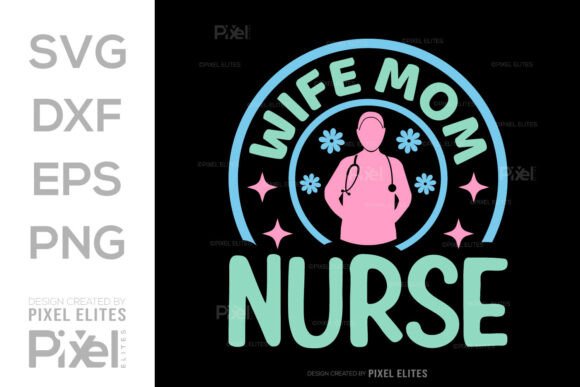
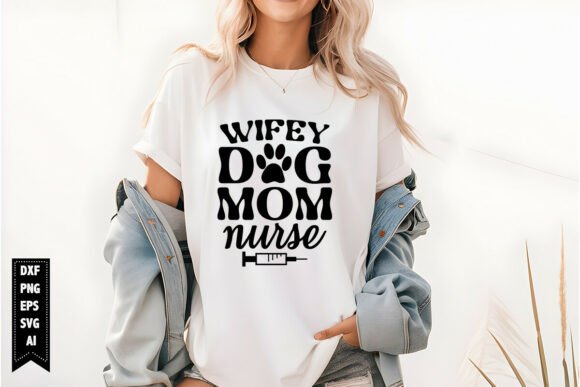
When a digital file lands in my library, I immediately start thinking about how it will translate into thread and fabric. The Wifey Dog Mom Nurse Svg, Dog Lover Svg isn’t just a graphic; it’s a potential product waiting for the right project. My first impression is that it’s a sweet, niche design that speaks directly to a very specific person—someone who proudly wears multiple hats. The layout combines a clear, friendly sentiment with an illustrative element, likely a dog. This isn’t a generic logo; it’s a personal badge of honor.
The Mood It Creates and Where It Naturally Belongs
The design’s personality is warm and proud. It’s celebratory without being loud, making it perfect for personalized gifts and heartfelt keepsakes. This isn’t a design I’d slap onto a random t-shirt for mass production. Its value lies in its specificity. I imagine it embroidered on a cozy sweatshirt for a nurse finishing a long shift, or on a tote bag used by a dog-loving healthcare worker. It would shine as a custom patch on a work bag or a subtly embroidered detail on a pillow cover in a home that cherishes both pets and a nursing career.
For small business owners and crafters, this is a design that fills a particular niche in your product line. It caters to a buyer looking for something that acknowledges their unique combination of roles. In a boutique or an Etsy shop, an item featuring this embroidery tells a story and feels more curated than a generic slogan tee.
Performance in Real-Life Embroidery Projects
Let’s get practical. I’m picturing running this as a machine embroidery design on a heavyweight cotton sweatshirt. The layered file format is crucial here. A well-prepared SVG or DXF file should allow for clean separation of elements—the text, the dog illustration, any decorative accents. This means I can potentially assign different stitch types or thread colors to different layers, adding depth and clarity.
The success of this embroidery file on custom apparel hinges on its detail level. Small lettering, especially in the “wifey” or “dog mom” parts, will require careful attention to stitch density and stabilizer choice. On a stretchy fabric like a tee, a sturdy stabilizer is non-negotiable to prevent puckering. On a stable surface like a tote bag or apron, it will likely stitch out cleanly. For a curved surface like a cap, the design’s overall size and layout need to be evaluated; a very wide or tall design might not fit the cap’s front panel well without significant scaling.
For baby clothes or delicate items like kitchen towels, I’d consider a lighter fill stitch or even a running stitch outline approach to keep the fabric soft and flexible. The design’s appeal on these items is as a personalized gift—a baby blanket for a nurse mom with dogs, or a tea towel for that same person. It becomes a conversation piece in the home.
Where Caution Is Needed: The Designer’s Checklist
Before loading this file, I’d run through a mental checklist. First, hoop size. If the design is particularly intricate with tiny details, a small hoop might not be ideal; it could cramp the design and lead to thread breaks or misalignment. I always advise testing on scrap fabric first, using the same material you intend for the final product.
Dark fabric is another consideration. The design likely has open areas that rely on the fabric color as a background. On dark fabric, the contrast needs to be planned. You might need to use brighter, lighter thread colors to ensure the design pops, or consider a reverse approach where the fill stitches are denser. Texture matters too. On a nubby linen pillow cover, fine details might get lost; a smoother cotton would showcase the embroidery better.
And of course, any product destined for frequent washing—like a sweatshirt or baby item—needs to be embroidered with quality thread and secure stitches to ensure longevity and maintain that handmade presentation that builds customer trust.
Impact on Product Value and Customer Engagement
Using a design like this thoughtfully elevates a product from a simple item to a meaningful one. For creative entrepreneurs, it boosts the giftability and recognition of your work. A customer who sees this on a sweatshirt isn’t just buying apparel; they’re buying an affirmation. That connection increases engagement and can turn a one-time buyer into a repeat customer for your niche craft business.
For brand consistency, if your shop focuses on pet lovers, healthcare professionals, or personalized family themes, this design fits seamlessly. It feels professional when executed well—clean stitches, thoughtful color choices, appropriate placement. A messy, poorly planned embroidery, however, can undermine that professionalism instantly.
Practical Notes Before You Stitch
My final thoughts before using this Wifey Dog Mom Nurse Svg, Dog Lover Svg in a commercial embroidery project or for a handmade product are always practical.
- Always, always test on a scrap of your target fabric. Check thread color contrast against both light and dark backgrounds if you plan to offer both.
- Inspect the small details in the file preview. Zoom in. Are there any overly intricate corners or tiny spaces that might not translate well into satin stitch or fill stitch?
- Consider creating black and white mockups to see the pure shape and layout without color influencing you.
- Use the proper stabilizer for your fabric type—this is the unsung hero of crisp embroidery.
- Crucially, confirm the licensing terms for this digital embroidery file. The product description states it’s a digital download with multiple formats, but it doesn’t specify license details. Before selling finished items or using it in commercial embroidery projects, you must verify that your intended use is permitted.
- Remember, this file comes as part of a bundle with SVG, DXF, AI, PNG, and EPS formats. This versatility is great for different software and machines, and also for creating printable mockups for your Etsy listings or digital product previews.
In essence, the Wifey Dog Mom Nurse Svg, Dog Lover Svg is a charming, niche design asset with strong potential for personalized gifts and targeted merchandise. Its success lies entirely in the hands of the maker—your choice of project, fabric, thread, and execution will determine whether it becomes a treasured item or just another stitch in the hoop. Approach it with a designer’s eye for context and a crafter’s respect for technique, and it will likely become a favorite in your portfolio for those special, layered customer stories.