A Designer's Take on the Spooky Nurse Halloween Embroidery Design
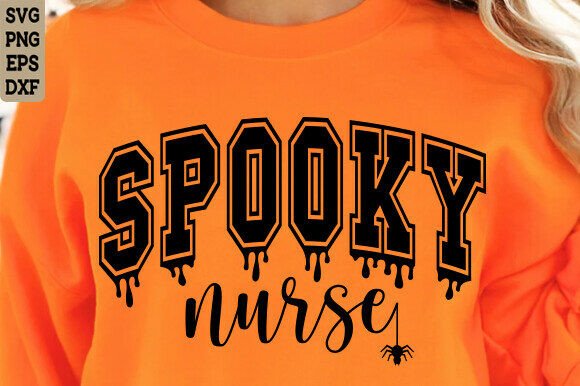
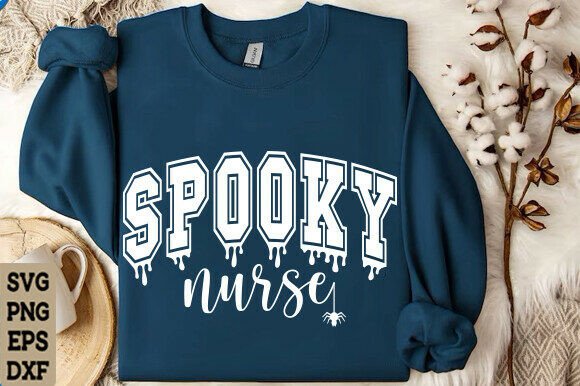
When a new design file lands in my library, my first question isn't "what is it?" but "what can it become?" The Spooky Nurse SVG PNG, Halloween SVG PNG set landed with a specific vibe: a playful, slightly vintage, Halloween-themed character. This isn't just a graphic; it’s a potential personality for a finished product. The immediate impression is classic spooky charm, not outright horror. The nurse's pose, the syringe, and the overall composition feel like they belong on a well-loved, festive item—think of that perfect Halloween sweatshirt you wear every October.
Where This Design Finds Its Perfect Home
For us makers, the real magic happens in translation. How does a digital file become a physical, stitched reality? My mind instantly goes to apparel. A mid-weight cotton sweatshirt or a sturdy canvas tote bag would be ideal canvases. The design has enough detail to be interesting but avoids overly tiny elements that could become muddy in satin stitch. I’d lean towards using it for a statement piece—perhaps a custom embroidered patch applied to a denim jacket, or directly stitched onto a heavyweight tea towel for a fun kitchen gift. The theme screams holiday, so it’s a natural fit for seasonal boutique merchandise or craft fair items aimed at Halloween lovers.
Thinking Through a Real Project: The Embroidered Tote
Let’s walk through a scenario. I’m considering this for a custom embroidered tote bag for a small shop. The client wants a unique, spooky-but-cute Halloween product. The Spooky Nurse design offers a recognizable character with clear stitching areas. The syringe and the nurse’s cap are defined shapes that would translate well into clean satin stitch borders or fill stitches. On a dark fabric like black cotton canvas, I’d plan for bright, contrasting thread colors—a white outline, maybe a pop of red for the syringe details. The visual appeal here hinges on stitching clarity. A crisp, well-executed version on a quality bag elevates it from a simple graphic to a valued handmade product, building customer trust in the craftsmanship.
Performance in the Real World of Stitches and Fabric
In practical embroidery situations, this design’s success depends on mindful application. It’s not overly dense, which is good for fabric integrity on stretchy fabrics like t-shirts. However, on a thin baby tee, I’d be cautious. The stitch count and density aren’t specified in the product description, so I’d strongly advise testing on scrap fabric first. This is a universal rule, but especially for a design with potential small details like the facial features or syringe markings. A 4x4 hoop might be too small; I’d likely opt for a larger hoop to preserve detail integrity and avoid distortion.
Textured fabrics like sweaters or curved surfaces like caps require extra planning. The design’s layout is fairly centralized, which helps on a curved baseball cap, but using a proper stabilizer is non-negotiable to prevent puckering. For products needing frequent washing, like aprons or pillow covers, ensuring the embroidery is secure and using high-quality thread becomes part of the product’s value proposition—it speaks to professionalism and longevity.
Caution Zones and Designer Notes
There are places where I’d use this design carefully. Tiny lettering isn’t apparent here, but the finer details could be challenging on very small hoop sizes. If you’re planning a tiny version for a baby item, scrutinize the digitized file closely in your software first. Dark fabric backgrounds are perfect for the Halloween mood, but they demand high-contrast thread color choices. Always check your thread palette against both light and dark fabric mockups. One of my standard practices is to run a test in black and white previews on my machine software to check for potential stitch density issues in areas that might become too thick.
A crucial, often overlooked step is confirming the licensing. The product description notes SVG, PNG, and EPS files, which are standard for digital graphics, but it doesn’t explicitly state the license terms for the finished items. Before selling any embroidered tote bags, sweatshirts, or patches in your Etsy shop or at a craft fair, you must confirm the licensing for commercial use of the finished product. This protects your craft business and ensures you’re using the design assets correctly.
From Digital File to Customer Connection
Ultimately, an embroidery file’s worth is measured by what it helps you create. The Spooky Nurse design, when stitched well, contributes to strong visual recognition and buyer engagement. It’s a thematic design that tells a story, making it highly giftable for Halloween enthusiasts. For a creative entrepreneur, it can become part of a cohesive seasonal brand look if paired with other spooky-cute designs. The handmade presentation shifts from a generic graphic to a tactile, personalized gift because of the embroidery process itself.
My final advice is always practical. For this design, treat it as a solid candidate for fall holiday projects. Test it. Plan your thread colors around contrast. Choose a fabric substrate that can support the detail level you intend to stitch—a sturdy tote bag or sweatshirt is a safer, more impactful bet than a delicate stretch knit. And remember, the best embroidery projects start with a good digital file, but they are perfected by the maker’s attention to the real-life details of hoop size, stabilizer, fabric, and thread. The Spooky Nurse SVG PNG, Halloween SVG PNG offers a fun starting point; your skill turns it into a finished product that feels both spooky and special.