An Embroidery Designer's Review of "I'm That Nutritionist" SVG
When a new design lands on my desk, the first thing I do is picture it stitched out. Not on a screen, but on fabric. With threads. That's the real test. Today, I'm looking at the "I'm That Nutritionist" SVG, Medical SVG design, thinking about where it would shine and where it might need a little extra care from an embroidery machine operator or crafter. This isn't a generic review; it's a practical walkthrough from someone who uses these files for real client projects and handmade products.
The First Impression: Confident, Clean, and Professionally Playful
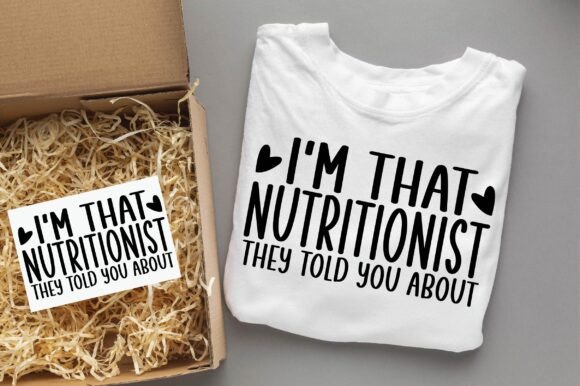
The design strikes a neat balance between professional and approachable. The layout feels confident, not cluttered. It has a visual personality that's both knowledgeable and friendly—perfect for a nutritionist, dietitian, wellness coach, or anyone in that field who wants to wear their passion with a bit of charm. For an embroidery project, this mood translates to a piece that feels intentional and giftable, rather than just a generic graphic slapped on a shirt.
Where This Design Naturally Belongs
My mind immediately goes to personalized items and small shop merchandise. Think beyond just a standard tee. This would be excellent on an embroidered tote bag for a nutritionist carrying their supplies or client gifts. It’s a strong candidate for a high-quality embroidered patch that could be applied to a lab coat, apron, or even a chef’s jacket in a wellness kitchen. For custom apparel, a nicely stitched sweatshirt or polo shirt for a professional working in a clinic or private practice comes to mind. The clean lines suggest it would also work beautifully on a tea towel or pillow cover for a nutritionist’s home office or as a heartfelt personalized gift for a graduate entering the field.
Performance in Real-Life Embroidery Situations
Let’s talk about how this embroidery file would perform when the needle hits the fabric. The provided file formats—SVG and a high-resolution PNG—are crucial. The SVG is the source file I'd use to set up my machine, adjusting stitch types and paths. The high-resolution PNG is invaluable for creating printable mockups for my Etsy listings or client previews before I stitch, which is a must for any craft business.
For a typical project like preparing a custom embroidered cap for a dietitian, I’d consider the curved surface. Lettering and clean shapes need to adapt to that curvature without distortion. On a flat surface like a tote bag or baby clothes (for a parent-professional, perhaps), the design would likely stitch out with great clarity. On denser fabrics like sweatshirt material, paying attention to stitch density and using the right stabilizer would be key to prevent puckering and keep those lines sharp.
A Note on Visual Appeal and Customer Trust
Using a well-crafted design like this directly affects product value and customer trust. When a client or an Etsy buyer sees a clean, professional embroidery with a thoughtful theme, it elevates the item from a simple craft to a polished, handmade product. It speaks to brand consistency if the nutritionist is using it for their own small shop or practice branding. For the maker, it increases buyer engagement because the final result looks intentional and expertly made.
Where to Use This Design With Care
Every design has its ideal applications and its trickier ones. Here’s my practical take on where to proceed with a bit more planning.
- Small Hoop Sizes: If you’re thinking of a tiny version on a baby bib or a small corner of a kitchen towel, test it first. The detail level needs to be preserved, and very small lettering can become muddy if the stitch count isn't adjusted appropriately.
- Textured or Stretch Fabrics: Thin, stretchy fabric like certain t-shirt materials might require extra stabilizer and perhaps a lighter stitch setting to maintain the design's integrity after wear and washing.
- Dark Fabric: This is a universal note. On dark backgrounds, you must plan your thread colors for maximum contrast and clarity. A light, bold satin stitch for the main elements might be necessary.
- Layered Garments & Curved Surfaces: As mentioned, caps are a classic curved challenge. Also, consider the placement on a sleeve or a shoulder seam area on a sweatshirt. The design's layout should flow with the garment's shape.
- Products for Frequent Washing: For items like aprons or everyday tea towels that see lots of laundry, a robust stitch structure and quality thread will ensure the design lasts, maintaining that professionalism and visual appeal.
Practical Notes for the Embroidery Designer
Before you run this machine embroidery design for a client order or to stock your boutique, here’s my checklist.
- Test on Scrap Fabric First. Always. Use the same material and color as your final project to check for stitch density, thread tension, and overall appearance.
- Check Thread Color Contrast. Create a palette that works for both light and dark fabric backgrounds. The design's personality should pop on both.
- Review Small Details. Open the SVG cut file in your software and inspect corners and any intricate areas. Plan your stitch types—whether you’ll use a satin stitch for bold lines or a fill stitch for larger areas—to best represent the original artwork.
- Confirm Your Hoop Size. Ensure the design dimensions fit comfortably within your available hoop for a stable embroidery process.
- Use Proper Stabilizer. Match the stabilizer to your fabric weight and texture. This is non-negotiable for a clean finish.
- Consider the Final Product Use. Is it for a one-off personalized gift, or are you planning to produce multiple units for commercial embroidery or your Etsy seller shop? Your setup should be optimized for that volume.
- Check Licensing for Your Use Case. The product description mentions it comes as a digital embroidery file. It is essential to confirm the licensing terms before selling the finished product or using it in digital product previews for commercial purposes. Don't assume.
The Bottom Line for Makers and Entrepreneurs
The "I'm That Nutritionist" SVG, Medical SVG design is a solid graphics asset for creators targeting the wellness professional niche or making gifts for that audience. Its clean, thematic layout translates well to the embroidery project world, promising a result that enhances handmade presentation and giftability. By approaching it with the practical steps above—testing, adjusting, and confirming the legalities—you can transform this digital product into a tangible item that carries real recognition and value. Whether it’s going on a holiday gift for a dietitian friend or becoming a stocked item in your small shop for craft fair products, it’s a design that, with careful execution, will stitch out as confidently as its message implies.