Disability Awareness Vector Set: A Designer's Practical Review
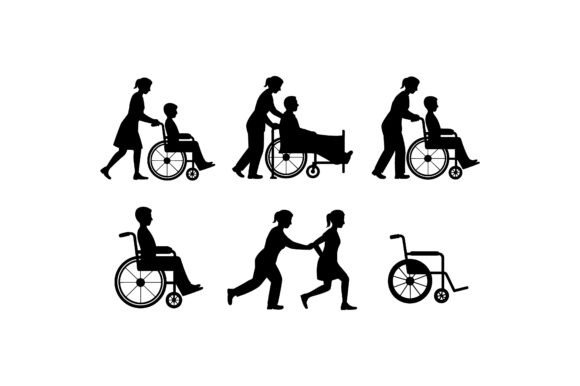
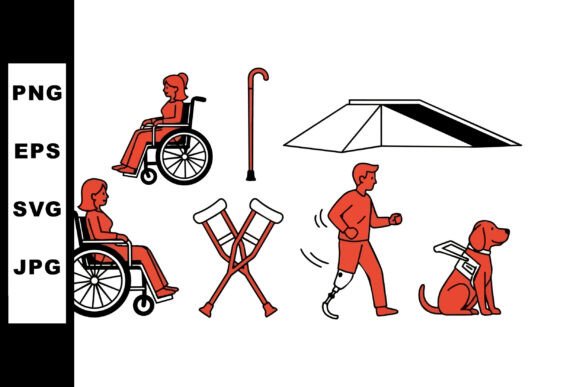
When I first opened the Disability Awareness Vector Set, my immediate impression wasn't about the technical specifics—it was about the mood. This collection of flat icons, depicting rehabilitation scenarios with medical aids, creates a tone of quiet dignity and support. The clear illustrative style feels approachable, not clinical. As an embroidery designer, I'm thinking about how these clean lines and recognizable shapes—the wheelchair, the crutches, the prosthetic leg, the guide dog—will translate into stitch. This isn't a loud, graphic shout; it's a thoughtful, inclusive statement.
Where This Design Finds Its Natural Home
This vector set feels destined for projects where the message is woven into the fabric itself. Imagine a custom embroidered tote bag for a caregiver, or a subtle, beautiful patch on a denim jacket. I picture it stitched onto a cozy sweatshirt, becoming part of someone's daily comfort. It could be a gentle addition to nursery decor, celebrating diversity from the start, or a heartfelt gift—a pillow cover or a tea towel for someone going through rehabilitation. For small shop owners and Etsy sellers, this design offers a way to create boutique merchandise that speaks to empathy and awareness.
The beauty here is its versatility. The icons are distinct enough to work alone, perhaps as a single wheelchair icon on a baby's onesie, or combined for a more layered statement on a blanket. For apparel decorators, it opens up a niche: custom apparel that supports and acknowledges without overwhelming the garment's style.
Navigating the Stitch: Practical Embroidery Considerations
Let’s talk about how this design performs in real-life embroidery situations. The flat, clean vector style is a gift for machine embroidery. It typically translates into clean satin stitch borders and manageable fill stitch areas, which means good stitch clarity on the finished product. I'd test it first on scrap fabric, of course, but the lack of overly fussy detail suggests it won't become a dense, puckered mess. For a project like an embroidered patch, this clarity is key—the symbols need to be readable and crisp to carry their meaning.
Thread color contrast will be your powerful tool here. On a light fabric, a simple dark thread palette could look profound. On a dark fabric like a black cap, you might use brighter, lighter threads to make the icons pop. This is where testing in digital mockups, both light and dark, helps visualize the final product before you even thread the needle.
Where You Might Need a Careful Hoop
While the design seems straightforward, there are always considerations. On very small hoop sizes, some of the finer elements—like the details on a crutch or the guide dog's outline—could lose definition. I'd be cautious on highly textured or stretchy fabrics without the right stabilizer; the clean lines could distort. Similarly, on curved surfaces like caps, the layout of multiple icons might need adjustment to sit comfortably on the seam.
The good news is that this doesn't look like a design with tiny lettering or impossibly dense stitch areas that plague many decorative accents. It feels built for stitching integrity, which directly boosts the perceived value and professionalism of the finished product.
The Impact Beyond the Stitches: Customer Trust and Giftability
Using this design isn't just a technical choice; it's a brand and relationship choice. For creative entrepreneurs, stitching this onto your handmade products communicates a specific values-alignment. It builds customer trust by showing thoughtfulness. A personalized gift embroidered with one of these icons carries a weight of recognition and support that far exceeds a generic motif.
For commercial embroidery projects, it offers a design asset that serves a community, enhancing buyer engagement because it connects on a human level, not just a transactional one. The visual appeal is in its simplicity and sincerity, which, when executed well with good stitching clarity, elevates the entire handmade presentation.
A Designer's Final Notes Before You Thread Up
My practical advice? Always, always check the specifics of the downloadable embroidery file yourself. Confirm the hoop sizes it's intended for and review the stitch density in your software. Inspect the small details in the file to see if any corners or lines are too fine for your intended fabric—perhaps a thin fabric might not support a very delicate element. Use proper stabilizer for the fabric you choose, especially for products that will need frequent washing, like kitchen towels or baby clothes.
Most importantly, confirm the licensing before selling finished items or incorporating it into digital products for your craft business. Understand whether it’s cleared for both personal and commercial projects. This due diligence protects your business and respects the design's origin.
The Disability Awareness Vector Set, as a graphics product in the Crafts category, presents a unique opportunity. It’s more than just an embroidery design; it’s a conduit for making a meaningful statement through thread. Whether you're preparing a custom embroidered tote bag for a client, or creating holiday gifts for a supportive community, this set has the potential to stitch together both beautiful craft and genuine awareness. Approach it with a practical eye, test it thoroughly, and let its clear illustrative style speak through your work.