A Practical Review of the Wheelchair Care Vector Silhouette
As a designer who regularly turns digital graphics into physical, stitched products, my first question about any new embroidery design is always a simple one: will it work in real life? I'm looking at this Wheelchair Care Vector Silhouette bundle not just as a graphic, but as a tool for my next project. Today, that project is a custom embroidered tote bag for a local care center. This is where the theory of a design meets the practice of an embroidery machine.
The Immediate Mood and Application
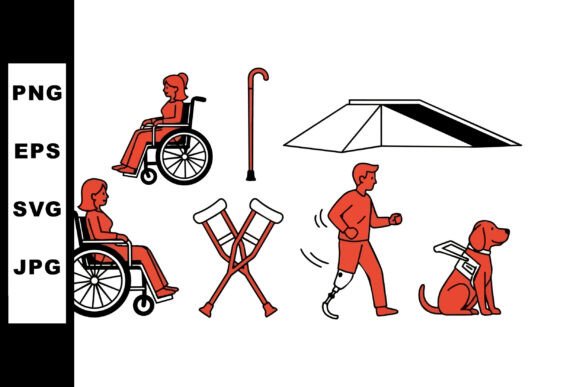
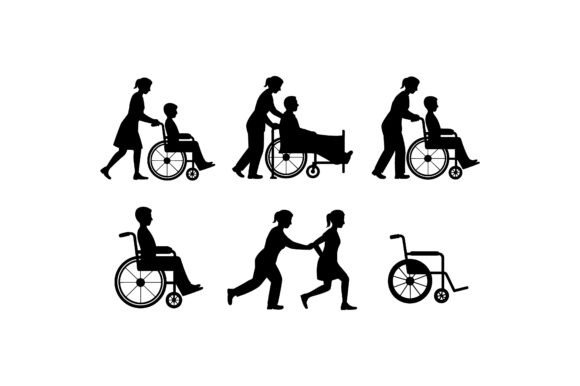
Opening the files, the first impression is clear and respectful. The silhouette style communicates support and assistance without unnecessary detail. It creates a mood of quiet care and recognition. The layout is straightforward—the focus is on the relationship between the caregiver and the individual in the wheelchair. This isn't a loud, celebratory design; it’s one of dignified support. That visual personality tells me it naturally belongs to projects meant for healthcare professionals, care facilities, thoughtful gifts for caregivers, or awareness merchandise for small businesses.
For my tote bag project, the design feels appropriate. It's not overly sentimental, which gives it a professional yet compassionate look suitable for a workplace. I envision it stitched in a single color, perhaps a deep navy or burgundy, on a neutral canvas bag. The silhouette approach means it won't look overly busy after stitching, which is crucial for maintaining clarity on a finished product.
Where This Design Will Stitch Well
In practical embroidery situations, this type of vector silhouette is wonderfully versatile. The lack of intricate interior detail means it performs reliably across many applications. It would stitch cleanly on custom apparel like sweatshirts and t-shirts, provided the fabric is stable. It's an excellent candidate for tote bags, aprons, and pillow covers—items with a larger, flat surface area. For baby clothes or nursery decor, as a gift for a pediatric nurse or therapist, it would offer a subtle, meaningful touch.
For craft businesses and Etsy sellers, this design has strong potential for personalized gifts. Think of a monogram added below the silhouette, or the date of a milestone. It could be central to boutique branding for a healthcare-themed shop or used in printable mockups for digital product sellers offering embroidery file collections. As a patch, it would be clear and legible, easily applied to jackets or bags. The commercial embroidery potential is there for uniforms, recognition items, or small shop merchandise for caregiver appreciation events.
Scenarios That Require More Care
However, like any design, this one has places where you need to proceed thoughtfully. The most critical area will be any small, enclosed corners within the silhouettes—like the connection points between wheelchair wheels and frame, or the caregiver's hand position. On a small hoop size, these tiny areas risk becoming dense, muddled stitch clusters.
I would be cautious using it on highly textured fabrics, like some sweater knits, or on very thin fabrics where stabilizer choice becomes paramount. Stretchy fabric requires excellent stabilization to keep the silhouettes from distorting. Embroidering it on dark fabric necessitates a careful thread color choice for proper contrast—a very dark thread on a dark background could lose the design's impact. For curved surfaces like caps, you'd need to test the placement thoroughly; the horizontal composition might need adjustment to fit the curve gracefully.
Products destined for frequent washing, like kitchen towels or everyday apparel, need a robust stitch execution. You'd want to ensure the stitch density is sufficient to withstand wear without fraying, but not so dense that it stiffens the fabric uncomfortably.
The Impact on Your Finished Product
Choosing this design for a project affects more than just aesthetics. Its clarity directly influences stitching clarity, which in turn builds customer trust. A clean, recognizable embroidered result looks professional and increases the perceived value of a handmade product. For a gift, its thematic appropriateness enhances its giftability—it feels considered and specific.
For a creative entrepreneur, using such a design consistently across a line of products—say, tote bags, patches, and aprons—can strengthen brand consistency for a shop focused on healthcare or support themes. It engages buyers by speaking directly to a shared experience or value. The professionalism comes from its execution; a well-stitched silhouette looks intentional and high-quality.
Essential Designer Notes Before You Hoop the Fabric
Before I run this design for my tote bag, here is my personal checklist. These steps move a graphic from a screen to a successful finished product.
- Always, always test the design on a piece of scrap fabric first. Use the same fabric and stabilizer you plan for the final project.
- Check thread color contrast against your final fabric. View it in both black and white mockups digitally to understand its form.
- Review the stitch density in your embroidery software. Is it appropriate for your chosen fabric? A very dense fill might puckering lighter materials.
- Confirm the physical hoop size needed. Does the design's dimensions fit your intended item comfortably?
- Inspect the small details in the test stitch. Are all the corners and connection points stitching cleanly without excessive jumps or fills?
- Use proper stabilizer. This is not optional for maintaining clean silhouettes.
- Check the licensing terms provided with the bundle. Is this embroidery file cleared for personal use only, or for commercial projects where you sell the finished physical item? This is crucial for Etsy sellers and small business owners.
- For digital product sellers, confirm you have the rights to include it in your own collections if that's your intent.
The product category is Crafts and the type is Graphics, but our job is to translate that into a tangible, stitched reality. The Wheelchair Care Vector Silhouette bundle provides the essential digital asset. Our skill, testing, and judgment determine how it performs as machine embroidery design on a real-world project.
My final thought as I prepare my machine is positive. This design, with its focused theme and clean lines, has the foundation to become a reliable part of my project library. It fills a specific niche with dignity. For the care center tote bag, it will convey exactly the right message—one of support, rendered not just as an idea, but as a durable, thoughtful stitch on fabric.