A Designer's Real‑World Review of the Surgical Robot Silhouette
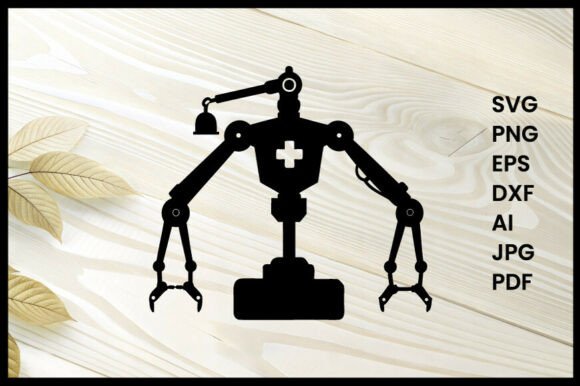
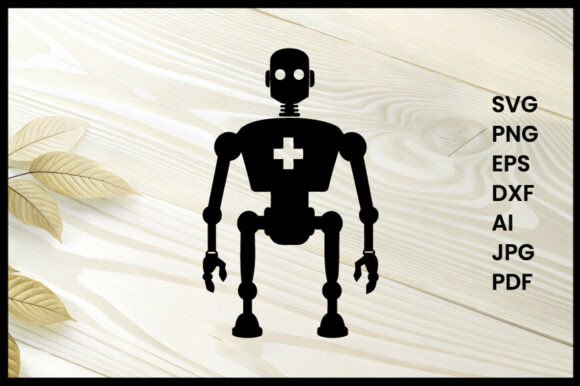
When you first look at this Surgical Robot Silhouette embroidery design, you get a distinct sense of modern, clean authority. It’s a graphic statement—a black robot, tall and commanding, with that unmistakable medical cross centered on its chest. The silhouette style means it’s defined by its shape, not by intricate interior details. This gives it a bold, almost iconic feel. It doesn’t whisper; it declares. That’s the mood it sets: precise, technological, and quietly powerful.
The Natural Habitat for This Design
I immediately picture this on a custom embroidered tote bag for a medical professional—perhaps a gift for a surgeon or a nurse who appreciates a more graphic, contemporary aesthetic. It wouldn’t feel right on a frilly, delicate item. This design belongs to workwear, to modern gifts, to products that carry a sense of purpose. Think a high‑quality sweatshirt for a robotics engineer, a structured apron for a science‑focused boutique, or a minimalist patch on a lab coat. It has a serious, professional personality that would resonate with a very specific audience.
Where the Surgical Robot Silhouette Will Thrive
In real‑life embroidery projects, this design will perform beautifully on stable, medium‑weight fabrics. A canvas tote bag, a cotton‑blend sweatshirt, a denim apron—these are its perfect partners. The solid silhouette and the clear medical symbol translate well into satin stitch borders or a dense fill stitch for the robot body. On a dark fabric, using a contrasting thread color for the outline could make it pop even more. For small business owners and Etsy sellers, this could become a niche product line: embroidered caps for medical conference attendees, pillow covers for a tech‑savvy home office, or even tea towels in a modern, minimalist kitchen. It’s a strong candidate for holiday gifts for someone in the medical or engineering fields—it feels personalized without being overly sentimental.
Where You Need to Exercise Some Caution
Because it’s a silhouette, its appeal hinges on crisp edges and a clean shape. This means you should be careful on very textured fabrics, like a loose‑knit sweater, where the edges might get lost. On stretchy fabrics, like a standard t‑shirt, you’ll need excellent stabilizer to prevent the design from distorting during wear. Also, the design’s impact comes from its scale. On a very small hoop size—think a tiny baby item or a delicate collar detail—the robot and the cross might become too condensed, losing their clear definition. Embroidering it on curved surfaces, like the crown of a cap, requires careful placement to keep the silhouette looking upright and not warped.
The Practical Impact on Your Product and Your Customer
Stitching this design onto a handmade product adds a layer of perceived value. It’s not a generic floral motif; it’s a specialized, conversation‑starting graphic. For a customer in the medical or tech world, seeing this on a tote bag or sweatshirt creates instant recognition and trust—it speaks directly to their identity. That boosts giftability and buyer engagement. For your craft business, offering this design on a range of products could help build brand consistency if your shop caters to a modern, professional, or science‑oriented clientele. The clean presentation aligns well with professional branding.
Essential Embroidery Designer Notes Before You Stitch
Always, always test this Surgical Robot Silhouette on scrap fabric first. Use the same material and stabilizer you plan for the final project. Check the thread color contrast—does a stark white on a black tote look too harsh? Would a silver or charcoal thread on a dark blue sweatshirt feel more sophisticated? Review the stitch density in your embroidery file; a too‑dense fill might make the design stiff on a flexible fabric. Inspect how the small details, particularly the medical cross, render. Does it stay clear and sharp?
I also recommend testing it in simple black and white mockups to visualize it on both light and dark fabric backgrounds. This helps you decide the best product pairing. Since the product description mentions it’s for print‑on‑demand services as well, consider how the embroidered version compares to a printed one for your specific product. For commercial embroidery projects or selling finished items, the crucial step is to confirm the licensing terms of the digital embroidery file. The description states you can use it for any print‑on‑demand service, but you must verify if that extends seamlessly to selling physical embroidered goods or using it as a commercial design asset. Don’t assume; check.
Finally, think about the fabric texture of your finished product. A smooth, tight‑woven cotton will give you the sharpest result, preserving that authoritative silhouette. This design isn’t just a graphic; when embroidered well, it becomes a tangible badge of a very modern craft.