A Designer’s Real-World Review of Brain Circuit Line Art
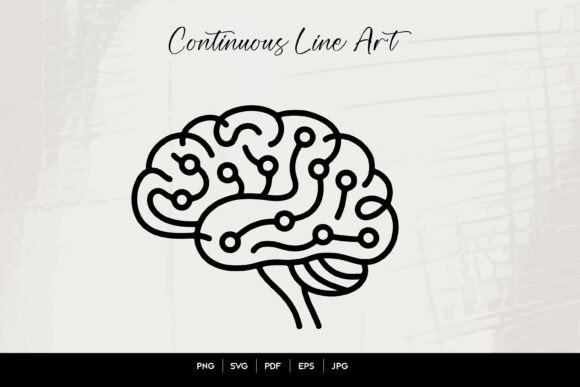
As someone who evaluates embroidery designs for practical application, I’m always looking for files that promise a strong visual impact but also hold up under the needle. When I opened Brain Circuit Line Art, my first impression was clear: this is a sophisticated, modern illustration with a lot of potential. The continuous line drawing of a brain intertwined with circuitry creates an immediate mood of intelligence, innovation, and clean, tech-forward style. It feels more like a statement than a simple graphic.
The Natural Fit for Modern Embroidery Projects
This isn’t a design I’d use on every project. Its personality leans toward gifts for students, professionals in tech or medicine, or as a branding element for a science-focused boutique or maker shop. The layout is balanced and the detail level is intriguing—the circuits weave through the brain’s contours without becoming overly dense, which is a crucial point for stitch clarity.
I immediately pictured it on a custom embroidered tote bag for a neuroscience graduate, or as a subtle, smart accent on the sleeve of a high-quality sweatshirt. It would work beautifully on a minimalist apron for a creative engineer or as a featured piece on a pillow cover in a home office. For baby items, it’s a unique choice for a nursery decor piece if the parents are in fields like psychology or AI—think a single, clean stitch on a blanket corner. Its strength is in projects that value a contemporary, intellectual aesthetic.
Where Brain Circuit Line Art Excels After Stitching
In real-life embroidery situations, the success of a design like this hinges on its line integrity. On custom apparel like t-shirts and sweatshirts, the continuous flow should translate well into a running stitch or a neat satin stitch outline, creating a crisp, graphic look. For patches, it offers a recognizable, conversation-starting icon. On tote bags and pillow covers, the design’s scale allows it to become a central, artistic focal point, elevating the perceived value of the handmade product.
For craft businesses and Etsy sellers, this graphic lends itself to strong printable mockups and digital product previews. It conveys a sense of niche expertise, which can build customer trust and engagement for shops targeting a tech-savvy or academically inclined audience. As a holiday or wedding gift for a specialist, it feels personalized and thoughtful. In commercial embroidery projects, such as branded merch for a small tech startup, it provides a consistent, professional visual asset that aligns with a modern brand identity.
Careful Considerations Before Hooping the Fabric
The elegance of this design also dictates where it should be used carefully. On very small hoop sizes, the intricacies of the circuit lines might lose definition; a minimum of a 4-inch hoop would be safer to preserve detail. Textured or very stretchy fabrics could distort those clean lines, so a robust stabilizer choice is non-optional.
I would be particularly mindful on dark fabric backgrounds. The design’s appeal relies on the clarity of the single line, so thread color contrast is paramount—a bright, opaque white or a metallic silver thread might be necessary to keep it sharp. On curved surfaces like caps, the longer, sweeping lines of the brain outline should adapt well, but the tighter circuit corners would need attention during digitization to prevent puckering.
Products destined for frequent washing, like kitchen towels or baby clothes, require a stitch density that can withstand wear. Since the provided file formats include SVG, PNG, EPS, PDF, and JPG, a thorough check of the final embroidery file’s stitch density and underlay before committing to a final product is essential. There’s no tiny lettering here to worry about, which is a benefit, but the design’s success hinges entirely on that single, unbroken line being impeccably stitched.
Practical Notes from the Embroidery Table
My standard advice applies strongly here: always test Brain Circuit Line Art on scrap fabric first. This allows you to review the stitch path, check for any potential jump stitch issues in the circuit loops, and see how it looks in both black and white mockups. Compare it on light and dark fabric swatches to finalize your thread palette.
Confirm the hoop size you intend to use by seeing the design stitched out. Inspect the small details—are the circuit connections clear? Does the brain’s silhouette remain recognizable? Because this design falls under the Crafts and Graphics category and is offered in multiple vector and raster formats, it’s clearly intended for broad use. However, always confirm the specific licensing terms before selling finished items or commercial embroidery products to ensure your craft business or Etsy listings are fully compliant.
When executed well, Brain Circuit Line Art transforms from a digital graphic into a tactile, high-value emblem. It boosts the visual appeal of a project through its contemporary simplicity, and when stitched with precision, it enhances stitching clarity, handmade presentation, and ultimately, buyer engagement. It’s a design that asks for a bit of care in setup but rewards you with a finished product that feels deliberately crafted and smart.